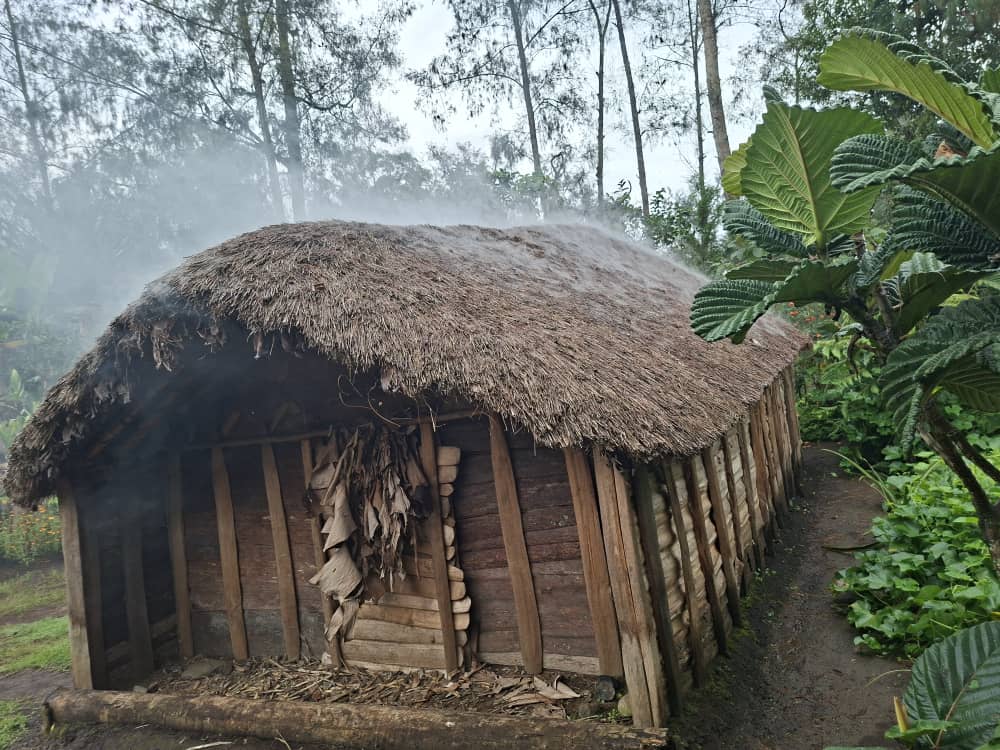
The Enga people of Papua New Guinea have rich customs rooted in community bonds and traditional practices. Among the most notable are the Tee Ceremony, sing-sing performances, Sandalu/Sangai initiation rituals, oral storytelling, and large cultural events such as the Enga Cultural Show. These traditions reinforce social unity, resolve disputes, and maintain harmony among communities. The Poketamanda Eco-Tourism Project aims to revive and preserve these cultural practices, making them accessible and educational for visitors.
2. Cultural Exchange and Peacekeeping: The Tee Ceremony
The Enga Tee Ceremony is a complex traditional system of ritualized exchange. Unlike modern trade, it involves the cyclical transfer of pigs, Kina shells, traditional bilums, and other valuables between clans. The ceremony serves multiple purposes: it builds alliances, maintains peace, settles disputes, establishes social status for leaders, and connects clans into broader economic networks. One prominent example, the Mamaku Tee, extends exchanges across regions, strengthening inter-regional relationships. While modern influences have reduced the frequency of these exchanges, the Poketamanda Project seeks to revive the Tee Ceremony as a living cultural experience for tourists.
3. Sangai / Sandalu Initiation
The Sangai or Sandalu initiation is a coming-of-age ceremony for young men, typically lasting one to two weeks. Participants undergo seclusion, purification rituals, fasting on limited foods such as kaukau, and lessons in oral history and cultural ethics. Younger boys aged 15–17 may observe the proceedings. The ceremony concludes with the Sangai or Sandalu dance, symbolizing the transition to manhood. Poketamanda has incorporated this dance as one of its flagship attractions, offering visitors a glimpse of Enga traditions in action.
4. Marriage Practices
Marriage in Enga society is a communal affair, characterized by singing, dancing, and large feasts. Bride wealth, typically in the form of pigs, is exchanged, reflecting the bride's value to her husband’s clan. While modernization has introduced some changes, many of the core traditions remain strong. Poketamanda seeks to document and showcase these practices to educate visitors on the significance of Enga marital customs.
5. Social Structure and Values
Enga society emphasizes communal harmony, with shared food, ceremonies, and mutual support forming the backbone of community life. Leadership is based on a combination of warfare skills, ritual knowledge, oratory ability, and personal influence. Big men, or clan leaders, gain respect through their ability to uphold cultural values and mediate social disputes.
6. Art, Performance, and Traditional Heritage
Sing-sing performances are a vibrant expression of Enga cultural heritage. Dancers wear traditional regalia and perform songs and dances that celebrate tribal pride. Visitors to Poketamanda can witness authentic performances from the Tsak Valley, accompanied by kundu drums and chants, creating an immersive cultural experience.
7. Mountain Climbing and Natural Landscapes
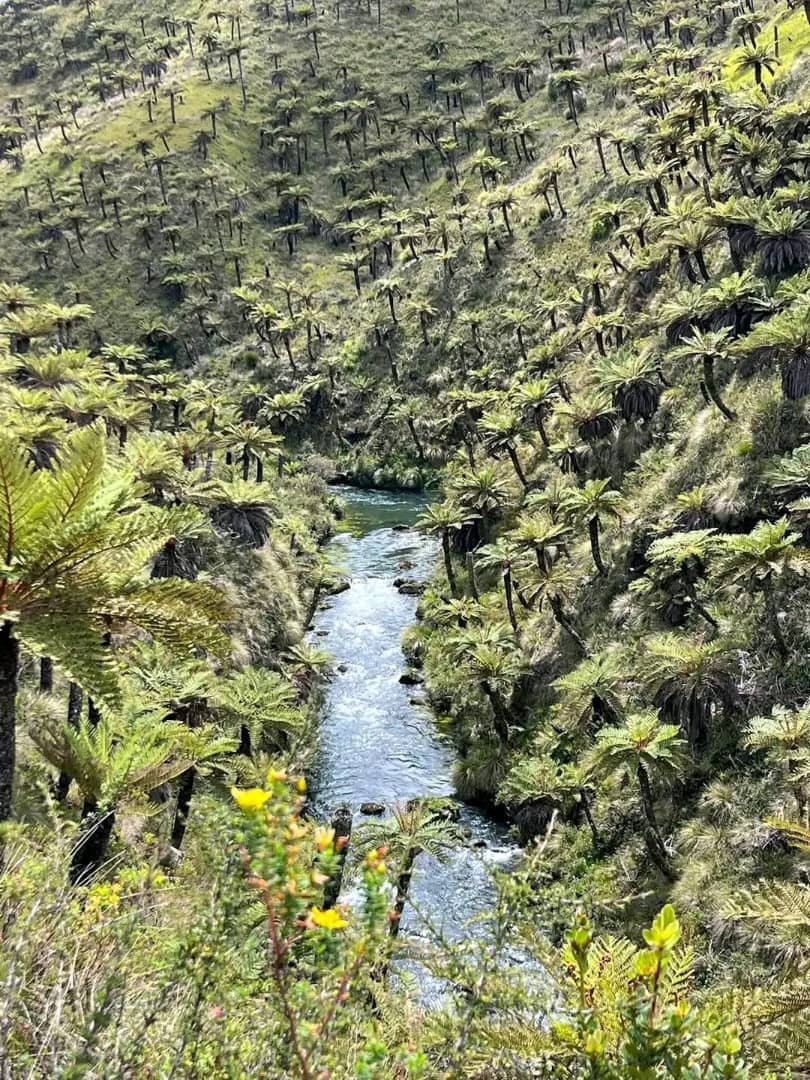
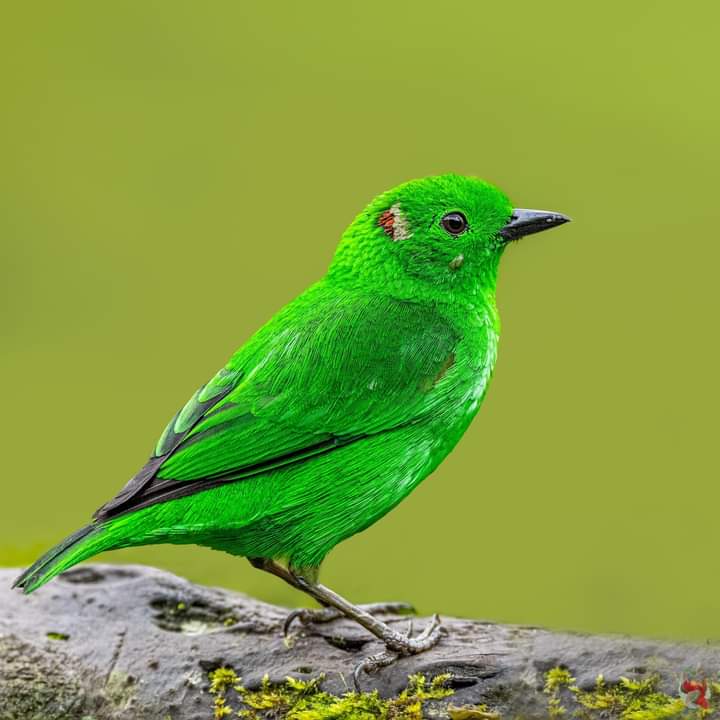
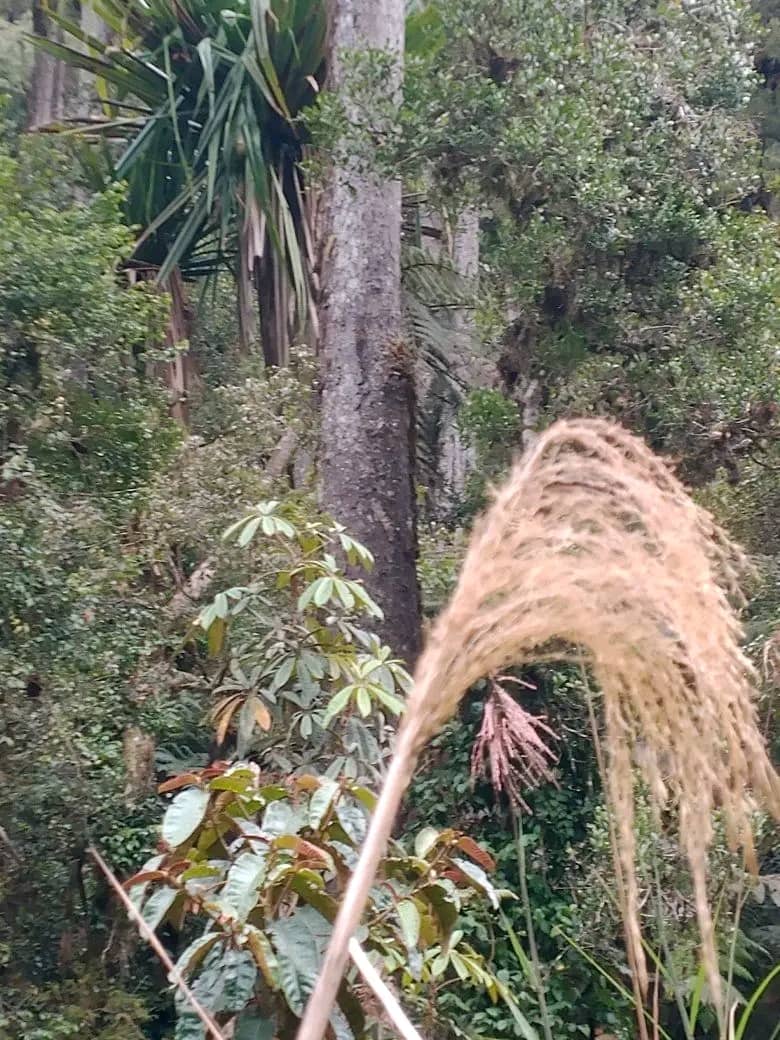
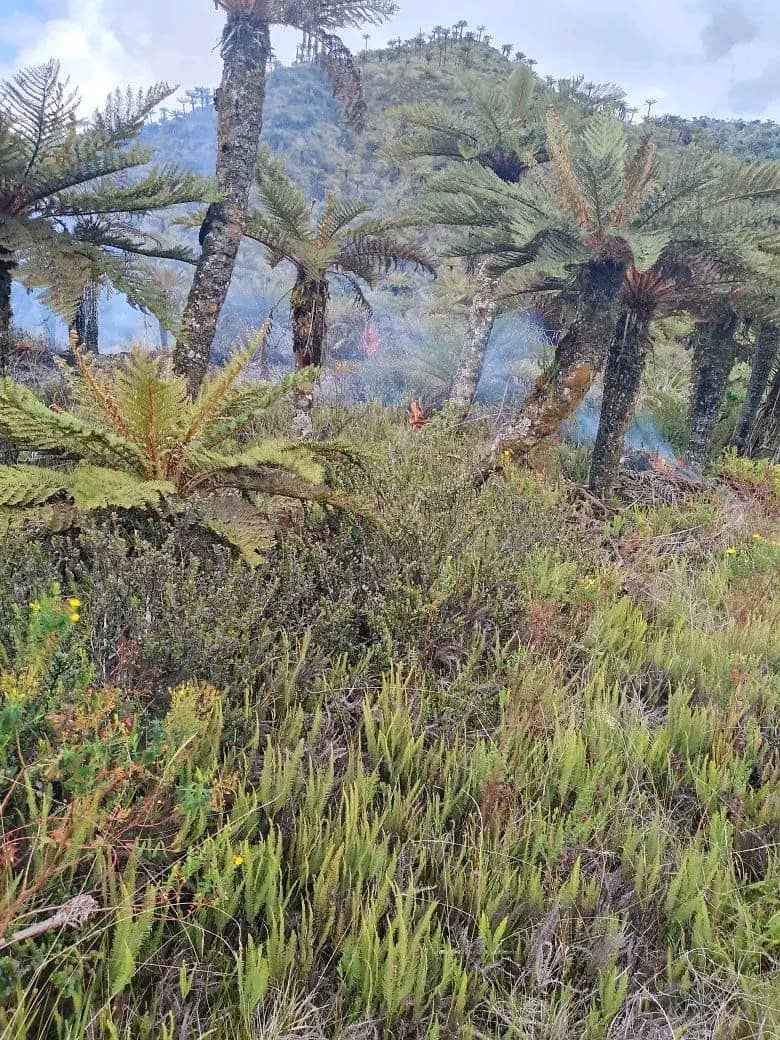
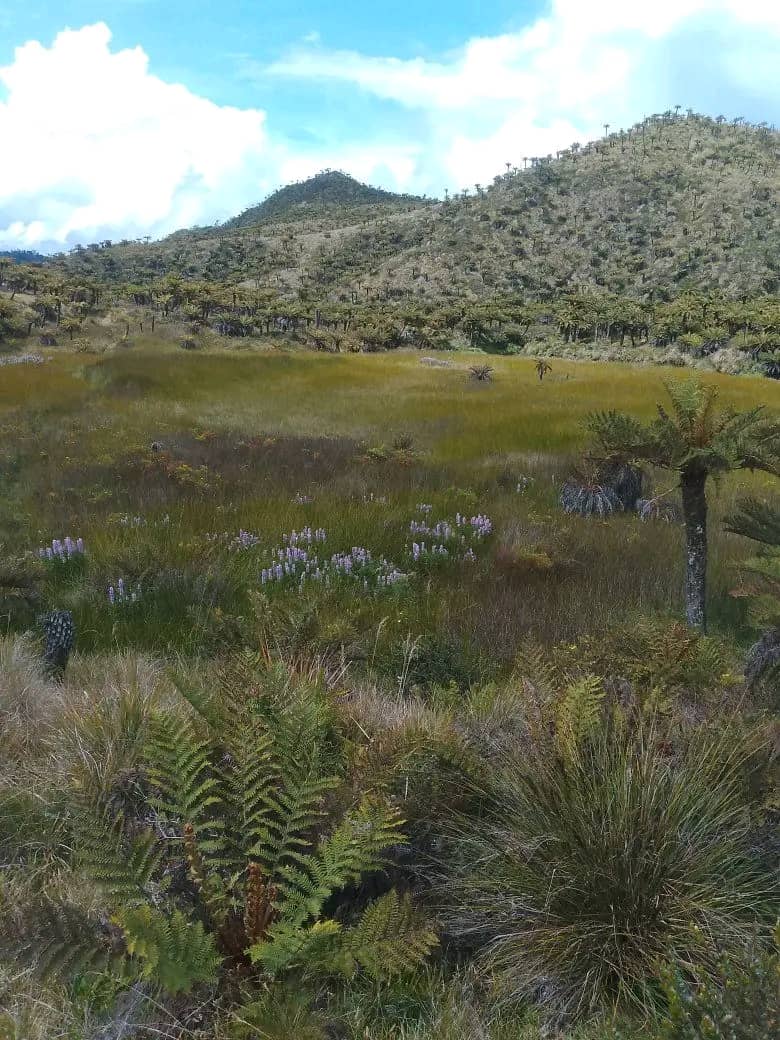
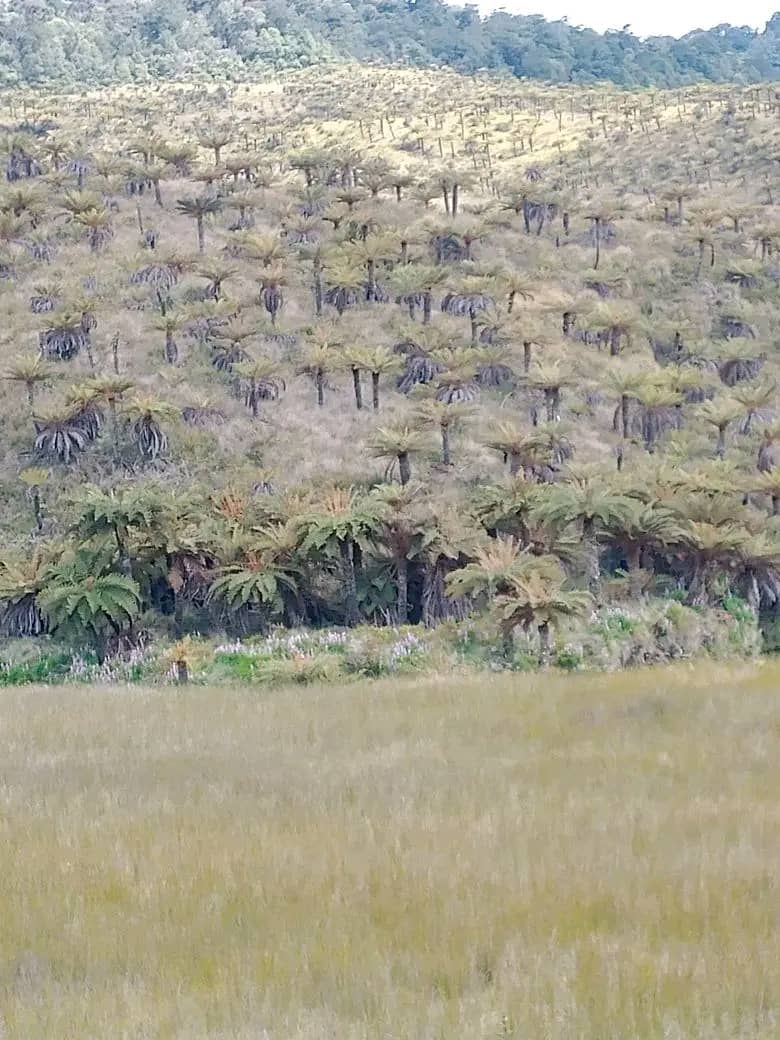
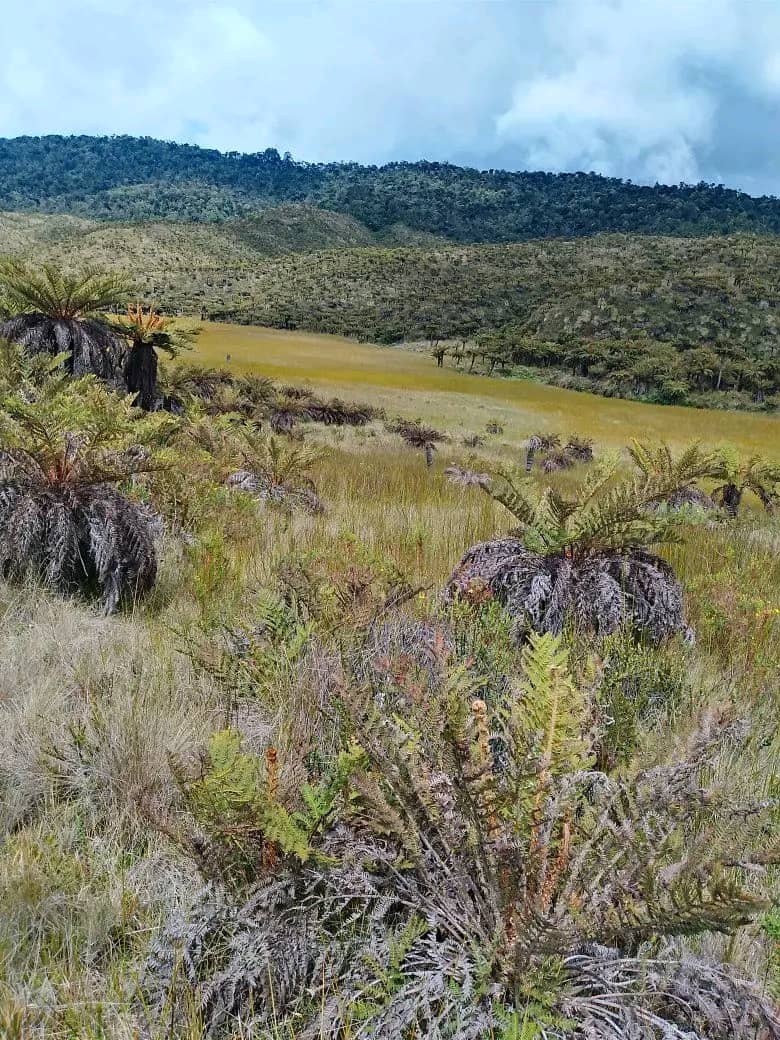
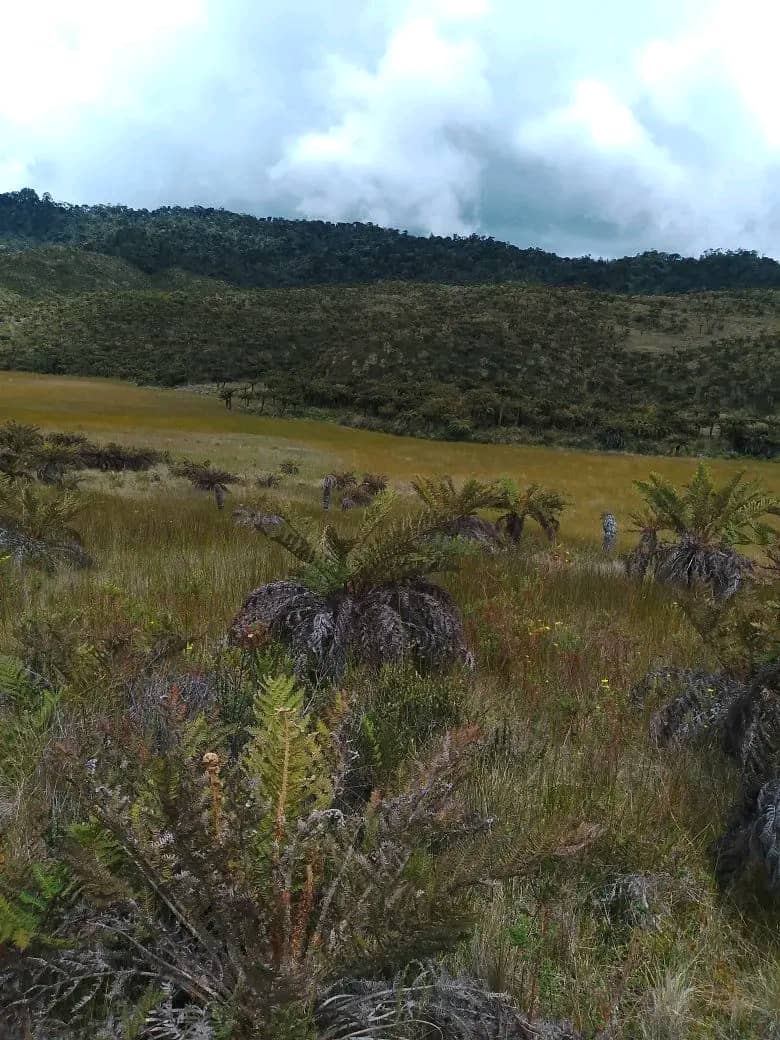
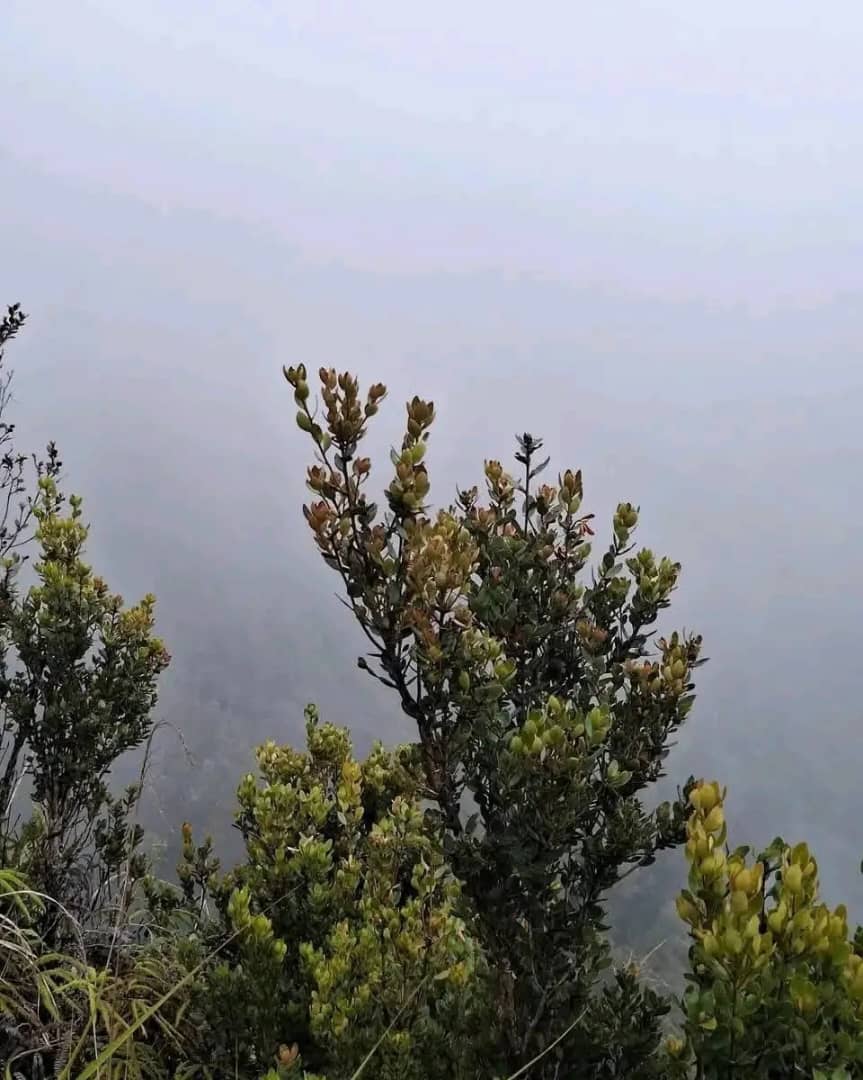
Though mountain climbing was not traditionally part of Enga culture, the landscape has always shaped Engan identity. Mountains such as Sugarloaf Mountain (3,024m) in Wapenamanda’s Tsak Valley fostered historical isolation and strong clan systems. The area’s biodiversity, including cassowaries, wallabies, and rare orchids like the Dendrobium Engae, makes it an ideal location for adventure trekking. Poketamanda offers guided climbs with local expertise, integrating cultural storytelling with natural exploration.
8. Signature Dances: Mali and Sangai / Sandalu
The Mali dance is a major social event, performed by men and women with coordinated movements and chants. It symbolizes unity, love, and social harmony. Similarly, the Sangai/Sandalu dance marks the conclusion of initiation ceremonies, celebrating the passage to manhood and reinforcing cultural identity. Scheduled performances at Poketamanda provide visitors with a firsthand cultural experience.
9. Umianda Cave and Cultural Tourism
Caves hold deep significance in Enga culture, serving as sites for male initiation, spiritual rituals, shelters during conflicts, and repositories of ancient rock art and trade artifacts. Umianda Cave is a preserved site that offers guided exploration and storytelling, allowing visitors to connect with Enga history in a respectful and educational manner.
10. Ancestral Beliefs and Ritual Practices
Enga spiritual traditions encompass rituals led by topoli (sorcerers and healers), Sandalu purification ceremonies, medicinal plant use, and communion with spirits. Fertility rituals and the veneration of ancestral beings such as timongo and pututuli reflect a rich cosmology. Poketamanda aims to provide visitors with an understanding of these beliefs while ensuring cultural sensitivity and safety.
11. Adventure Tourism: Bush Tracking, Rock Climbing, and River Activities
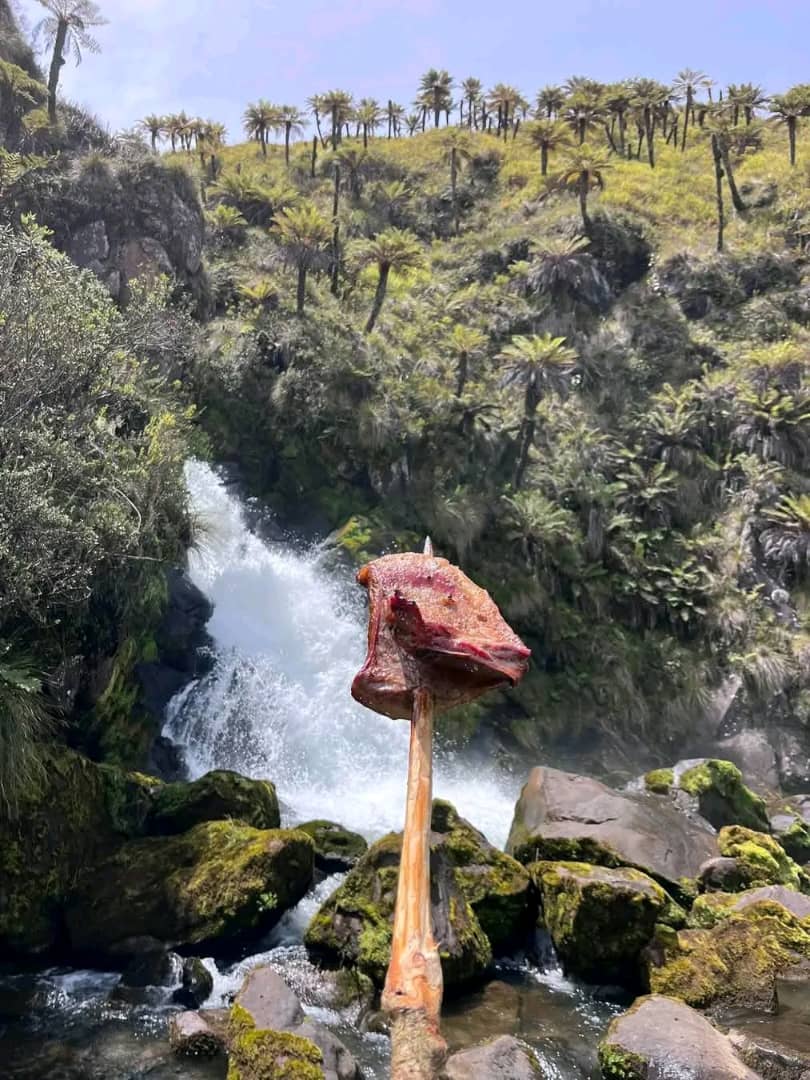
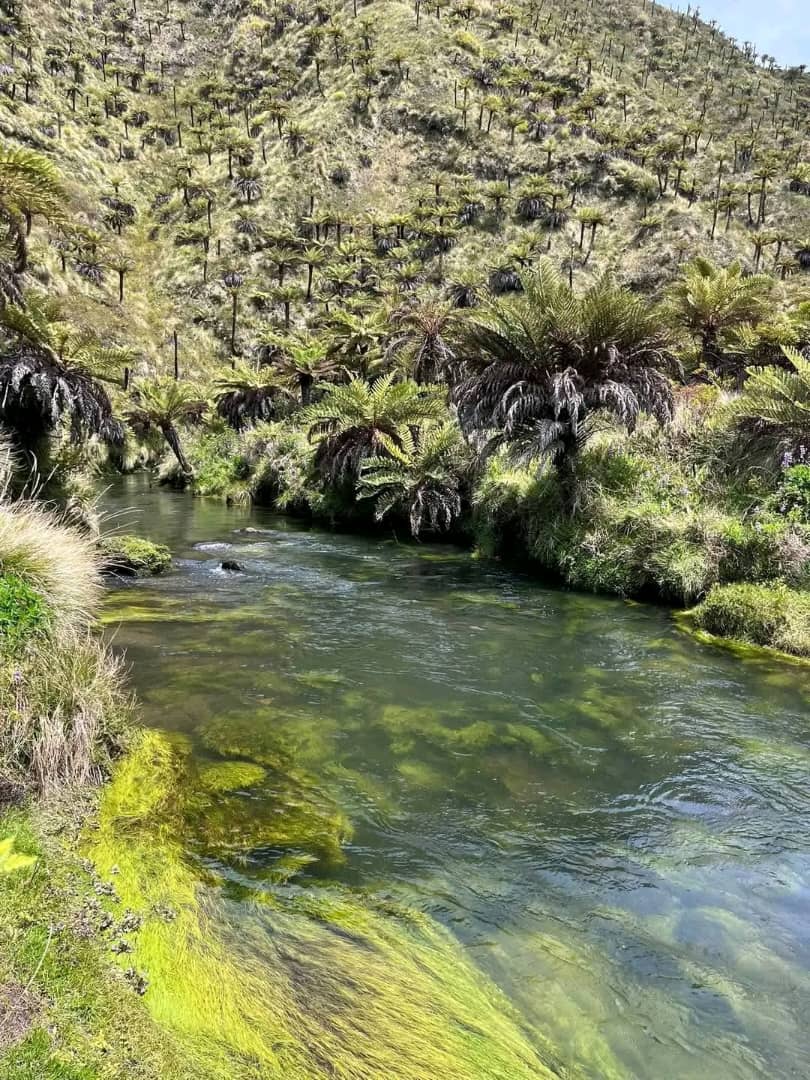
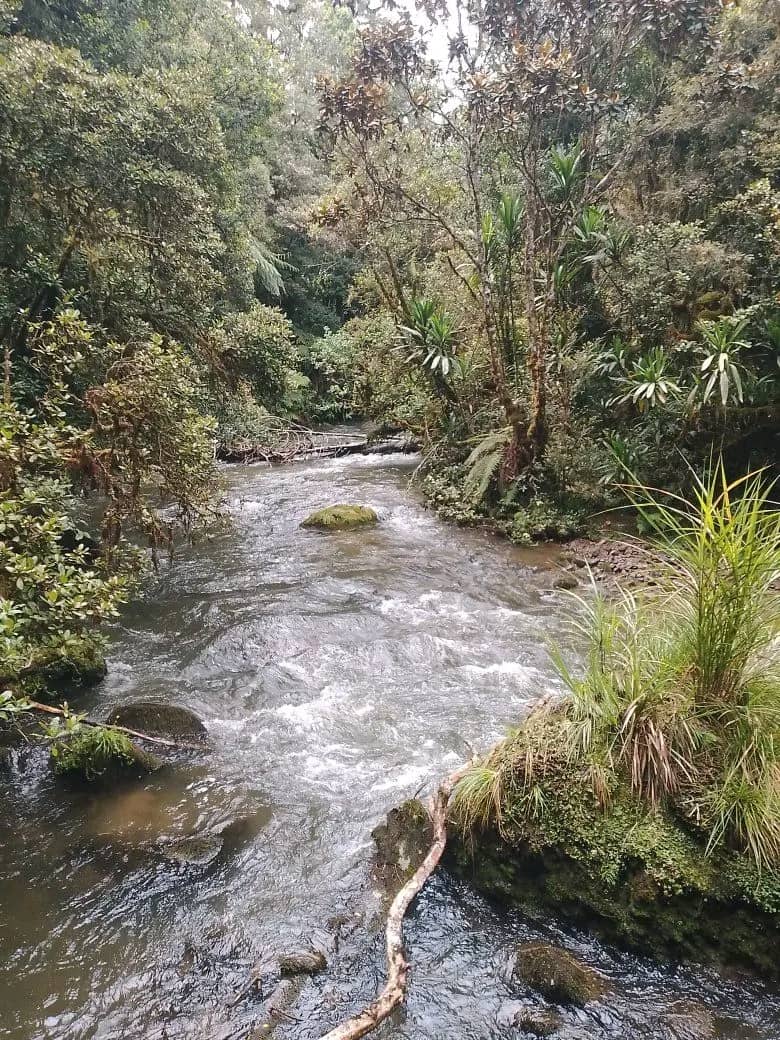
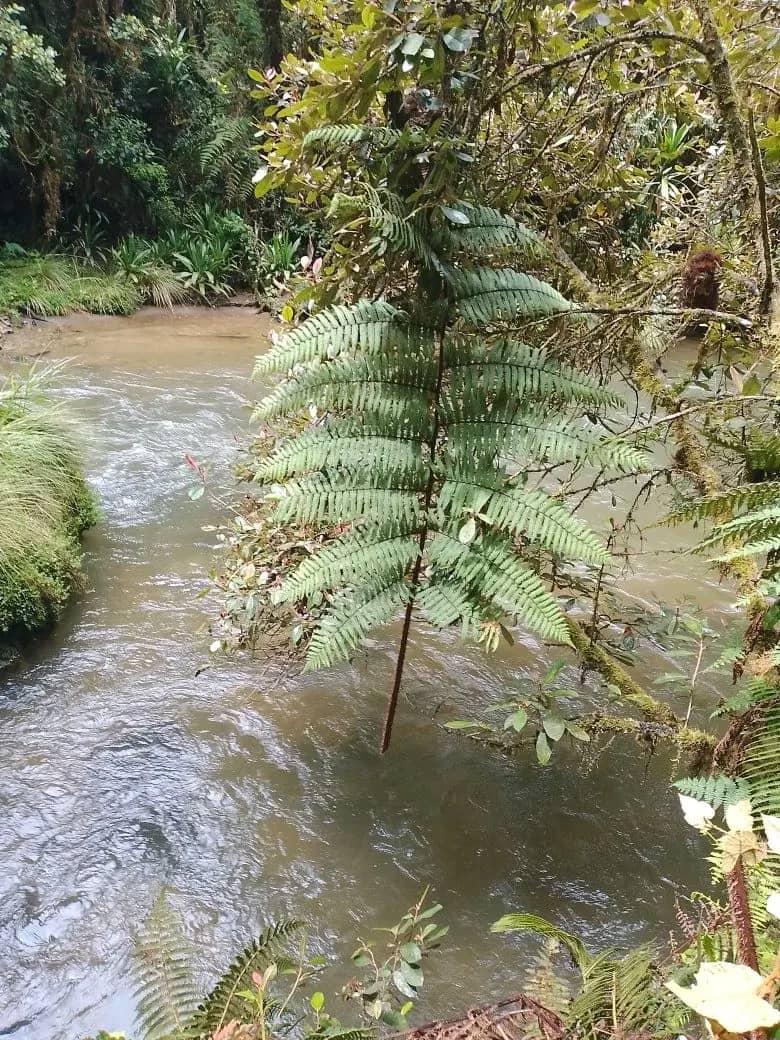
The Tsak Valley offers world-class trekking, guided by experienced local guides through dense forests, rugged mountains, and scenic waterfalls. Traditional rock formations hold spiritual significance, and Poketamanda provides culturally guided climbing experiences. The Taleh River presents opportunities for river-based eco-tourism.
12. Cultural Hubs and Conservation
Iyana Take Anda, the House of Traditional Knowledge, is located within the Poketamanda Lodge grounds. It preserves Enga history, houses artifacts such as stone mortars and pestles, and educates both local youth and visitors. The center also supports conservation and cultural research.
13. Funeral and Mourning Traditions
Funerals in Enga society reflect the enduring relationship between the living and the spirit world. Spirits, known as waiyenge or timango, are believed to continue existing alongside the living. Rituals protect the community, while Haus Krai mourning periods involve communal singing, feasting, and support.
14. Tourism Products and Services
Poketamanda Eco-Tourism Project offers sustainable tourism products including bush tracking and trekking, water drifting and kayaking, mountain and rock climbing, bike riding, visits to museums and cultural centers, and the Tsak Valley Orchid Garden showcasing rare native species. All activities are community-led and support cultural preservation, education, and sustainable livelihoods.